On this page (19 sections)
- Why natives suit San Marcos
- What counts as a good native choice
- Soil and bed preparation
- Native trees and oak wilt
- Watering natives under local rules
- HOA rules and natives
- What native plant landscaping costs
- Planting calendar in brief
- Mistakes to avoid
- Building a native bed, step by step
- Start small and learn as you go
- What the evidence says about natives
- Plants that earn their place
- Plants to place with care
- Watering natives in years one and two
- A simple calendar for a native bed
- What to ask a provider about natives
- Common questions about native beds
- Related services
Why natives suit San Marcos
The ground does a lot of the choosing. Texas State University's Hays County soil survey describes Edwards Plateau soils as mostly stony and underlain by erosion-resistant limestone.[3] One map unit in it is well drained but holds little moisture because of depth and stones.[3] Plants that evolved on these soils tend to root into cracks and handle the swings.
NOAA normals show about 36.55 inches of rain a year, but also 21.4 days at 100 F or more and roughly 19.8 freezing nights.[1] Natives are built for that spread. A USDA-based hardiness lookup puts ZIP 78666 in zone 9a, with a listed temperature range of 20 to 25 F.[4]
What counts as a good native choice
AgriLife's Edwards Plateau guide names these local natives.
- Trees: live oak, Spanish oak, little walnut, Texas mulberry, netleaf hackberry and chinkapin oak.[2]
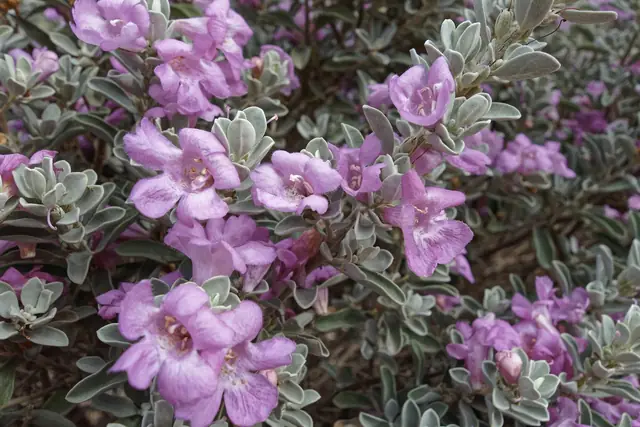
- Shrubs and small trees: Texas mountain laurel, an evergreen that usually reaches 10 to 15 feet at maturity.[2]
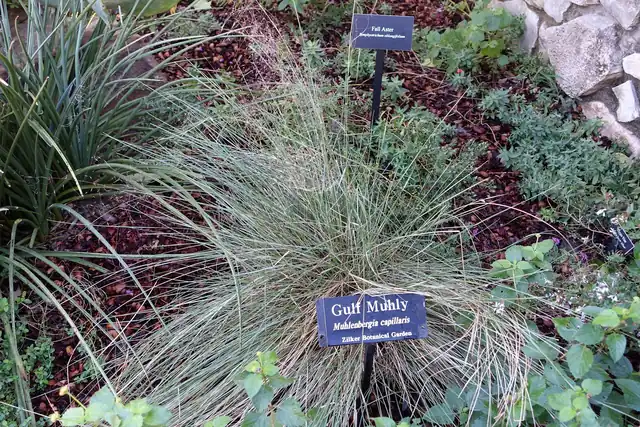
- Grasses: sideoats and blue grama, little bluestem and Lindheimer muhly.[2]
- Wildflowers: Texas bluebonnet and Indian blanket.[2]
Native does not mean no care. New plants need regular water for the first year or two, until they are well rooted.[5] After that, many need little beyond pruning and weeding.
Matching plants to your lot
Sun, drainage and soil depth decide the list. Mountain laurel wants good drainage; a low spot that holds water will rot it. Little bluestem prefers sun. Under oaks, shade-tolerant understory plants and a layer of mulch do better than turf.
Soil and bed preparation
For heavy clay, AgriLife suggests berms or raised beds with sandy soil and some organic matter, but not too much, for a rock-loving perennial.[2] On shallow rock, it often makes sense to plant in pockets or raised beds rather than trying to dig through limestone. TWDB calls a soil test the number one key to establishing and maintaining landscape plants.[6]
Mulch bare soil with three to four inches of material, thinner against stems and trunks.[6] The mulch and flower bed care page explains how.
Native trees and oak wilt
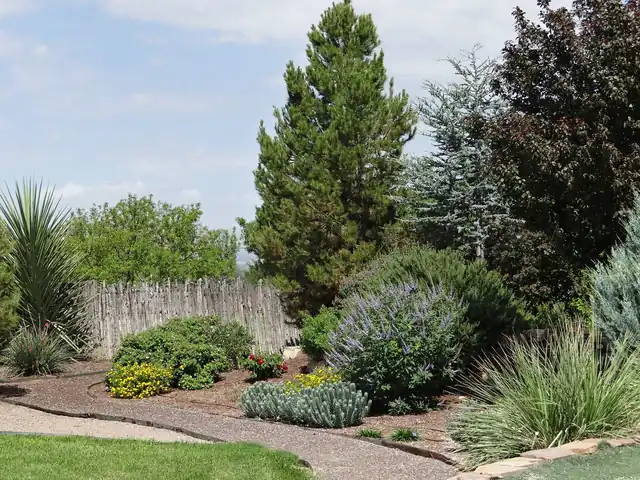
Oaks are the backbone of many local yards, and oak wilt is the main risk. Texas A&M Forest Service advises avoiding pruning or wounding oaks from February through June.[7] Any new wound, including mower and string-trimmer damage, can be an entry point.[7] Live oaks spread the disease through connected roots, and it moves underground about 75 feet a year on average.[7]
If you are planting or clearing under oaks, schedule pruning outside that window and treat wounds right away. The Forest Service advises contacting a certified arborist if you are unsure whether a tree has oak wilt.[7] The City of Wimberley also warns that trimming can spread oak wilt through beetles.[8]
Watering natives under local rules
Natives still need water to get established. A drought stage means a watering limit that tightens as aquifer levels drop. As of November 2026, San Marcos is in Stage 3. Drip and soaker lines run one day per week, before 10 a.m. or after 8 p.m.[9] Hand watering is allowed any day in those hours.[9] Waste is banned at every stage.[9] See the local rules page for the current stage.
Drip lines suit native beds well, because they put water at the roots. Any installation for hire requires a Texas-licensed irrigator,[10] and this site does not arrange irrigation work.
HOA rules and natives
Texas law voids HOA rules that bar drought-resistant landscaping or water-conserving natural turf. An HOA can still ask to review a plan for compatibility but cannot unreasonably deny it.[11] Bring a plant list and a sketch when you apply.
What native plant landscaping costs
Prices vary with plant size and bed prep. A national cost guide (February 2026) lists landscapers at $50 to $100 per hour and $25 to $85 per shrub or bush.[12] The same publisher also lists softscaping (trees, shrubs, beds) at $9 to $12 per square foot.[13] Those are national figures, not local prices. Larger specimen trees and imported soil raise the total, while small container plants cost less but take longer to fill in.
Planting calendar in brief
Fall is a common time to plant natives in Central Texas, since roots grow through mild winter while tops rest. Spring works too, but plants then face summer heat in their first year and need more water. Freeze risk matters for tender plants; about 19.8 nights a year reach 32 F or lower.[1] Ask the provider which plants need protection.
Mistakes to avoid
- Planting thirsty species beside natives so the whole bed gets overwatered.
- Burying trunks in mulch.
- Pruning oaks between February and June.
- Skipping the soil test and the sun check.
Building a native bed, step by step
A native bed follows the same order as any good planting, with a few local twists.
- Pick the spot by sun. Watch where light falls through the day before you choose plants. Full sun and afternoon shade call for different lists.
- Test the soil. The result tells you whether the bed needs organic matter or just patience.
- Remove turf and weeds. Natives lose to grass at first, so clear the bed completely, roots included.
- Shape the bed for drainage. On heavy clay, raise it slightly or build a gentle berm. On shallow rock, plant in pockets.
- Lay the pots out first. Set each plant where it will go, at its mature spacing, and step back before digging.
- Plant and water in. Use the steps on the tree and shrub planting page for any shrub or tree.
- Mulch and label. Cover bare soil, keep mulch off stems, and label each plant so you can tell it from weeds in spring.
Natives look thin the first season. That is normal, because many put energy into roots before tops.
Start small and learn as you go
AgriLife's advice is to start small and expand as you gain confidence in recognizing the plants.[2] It also notes that traditional suppliers often carry a limited range of natives,[2] so a specialty native nursery may have more to choose from. A provider who knows the regional list can save you a season of trial and error. Ask which of the plants on their list they have actually grown in Hays County soil.
What the evidence says about natives
AgriLife calls native plants generally well adapted, low maintenance, competitive with weeds and light on water.[2] Once established, they need little maintenance and have an edge over weeds for nutrients.[2] The guide cites the EPA as saying natives can reduce water consumption by 60 percent compared with traditional non-natives.[2] That is a national estimate, so your own savings depend on what you replace and how you water.
The City of Wimberley adds a wildlife reason: native plants provide habitat and food for insects and wildlife, and need less water.[8]
Plants that earn their place
Some natives are easy wins. AgriLife describes blackfoot daisy as maintenance-free, resistant to disease and pests, and in need of almost no water.[2] Fall asters flower in October and November, when bees, butterflies and other insects use their nectar.[2] Pair them with the grasses and shrubs named above for structure through the year. The xeriscape plant list sorts more options by use.
Plants to place with care
Native does not mean well behaved. AgriLife warns that flameleaf sumac and western soapberry send up hundreds of root sprouts.[2] Maximilian sunflower, Alamo vine and silver sage can take over a flower bed within a few years when watered and fertilized.[2] Pecan and American elm are native too, but they are not drought tolerant and want regular watering in an ordinary yard.[2] Plant these only where their habits are an advantage.
Watering natives in years one and two
Natives still need help while roots grow. TWDB says new plantings need more frequent watering during establishment.[6] AgriLife says new trees and shrubs may need that care for two growing seasons.[5] After that, TWDB says established plants do well in summer on watering about once a week, especially with mulch around them.[6] Water deeply and rarely, and stop when water runs off the bed.[6]
A simple calendar for a native bed
- Winter: cut back dormant perennials and grasses, and plan changes.
- Spring: pull weeds while they are small, check mulch and divide crowded clumps.
- Summer: water new plants on schedule, and leave established ones alone unless they wilt.
- Fall: plant, and refresh mulch before the first cold snap.
Pruning native oaks follows its own calendar, covered on the oak wilt and pruning guide.
What to ask a provider about natives
- Which plants will you use, and where do they come from?
- Have you grown them on limestone or clay like mine?
- How will the bed be watered in the first two years?
- Which plants might spread, and how will you contain them?
- Who will weed and mulch in the first season?
A provider who answers with specific plant names and a watering plan is likelier to deliver a bed that fills in well.
Common questions about native beds
Do I have to remove the whole lawn? No. Many owners convert one bed at a time, starting with the area that is hardest to mow or water, and leave the rest as turf.
Will natives grow in shade? Some do. Under oaks, look for understory plants that tolerate dry shade, and expect thinner growth than in sun.
Do natives attract pests? They attract insects, which is part of the point. Many of those insects do no harm, so identify a pest before anything is sprayed. Applying a pesticide for hire needs a Texas Department of Agriculture license,[14] and this site does not arrange pest-control work.
What about deer? Deer eat many plants. Ask the nursery which plants in the list they find deer leave alone in your area, and protect young plants for the first season.
Related services
Natives combine well with xeriscaping, tree and shrub planting, landscape design and mulch and bed care. See the landscaping guides, cost guide or the home page.
Send a request
Sources
- NOAA National Centers for Environmental Information. 1991-2020 U.S. Climate Normals, annual/seasonal, San Marcos TX (USC00417983), accessed 2026-11-23
- Texas A&M AgriLife Extension. Native plants for Edwards Plateau landscapes, published 2023-03-01
- Texas State University (Southwest Texas State University). Soils of the Freeman Ranch, Hays County, Texas (Freeman Ranch Publication Series No. 4-2000), published 2000-07-01
- phzmapi.org (third-party mirror of USDA plant hardiness zone data). Plant Hardiness Zone Map API, ZIP 78666 (2023 USDA map data), accessed 2026-11-23
- Texas A&M AgriLife Extension (Texas Water Resources Institute irrigation site). E-447 Xeriscape: water-efficient landscaping, accessed 2026-11-23
- Texas Water Development Board. Texas Landscape Water Guide, accessed 2026-11-23
- Texas A&M Forest Service. Prevent the spread of oak wilt this spring in Texas, published 2022-03-29
- City of Wimberley. Environmental Stewardship, accessed 2026-11-23
- City of San Marcos. Water & Energy Conservation (Stage 3 watering restrictions), accessed 2026-11-23
- Texas Commission on Environmental Quality. RG-470 Landscape Irrigator's Rule Compilation (Feb 2021), published 2021-02-01
- Texas Legislative Council (Texas Constitution and Statutes). Tex. Prop. Code Sec. 202.007 Certain Restrictive Covenants Prohibited, accessed 2026-11-23
- HomeGuide. How Much Do Landscapers Charge to Plant Shrubs, Flowers, and Bushes?, published 2026-02-04
- HomeGuide. How Much Does Landscaping Cost?, published 2026-02-04
- Texas Department of Agriculture. Applying Pesticides to Ornamentals, Trees, Lawns, or Weeds, accessed 2026-11-23